The Paralysis of Analysis: Understanding Overthinking and How to Break Free

Overthinking

Introduction:
In the modern age of information overload and constant connectivity, the phenomenon of overthinking has become increasingly prevalent. This article delves into the intricacies of overthinking, its detrimental effects on mental well-being, and practical strategies to overcome it.

1. The Spiral of Overthinking:
Overthinking is the process of obsessively analyzing and scrutinizing thoughts, situations, or decisions, often leading to a never-ending cycle of doubt and worry. This spiraling thought pattern can hinder decision-making and cause unnecessary stress.

2. The Toll on Mental Health:
Overthinking is not merely a harmless mental exercise; it can take a toll on mental health. Chronic overthinking is associated with increased anxiety, stress, and even depression. Constantly ruminating over past events or anticipating future scenarios can disrupt inner peace.

3. The Illusion of Control:
Overthinkers often fall into the trap of believing that by analyzing every angle of a situation, they can gain a sense of control. However, this illusion of control can lead to paralysis, where decisions are delayed or avoided altogether due to fear of making the wrong choice.

4. Escaping the Overthinking Trap:
Breaking free from the cycle of overthinking requires conscious effort and mindfulness. Here are some strategies to consider:

  • Mindfulness Meditation: Practicing mindfulness meditation helps cultivate awareness of the present moment, allowing overthinkers to distance themselves from intrusive thoughts and regain control over their minds.
  • Set Time Limits: Allocate a specific amount of time to think about a particular issue. Once the time is up, make a decision and move forward. This prevents excessive rumination and procrastination.
  • Challenge Negative Thoughts: Question the validity of your thoughts. Are they based on facts or assumptions? Challenging negative self-talk can help disrupt the overthinking pattern.
  • Engage in Positive Activities: Engaging in activities that bring joy or a sense of accomplishment can redirect your focus away from overthinking and towards positive experiences.

5. Embracing Imperfection:
Perfectionism often fuels overthinking. Embracing the idea that nobody is perfect and that mistakes are a part of growth can alleviate the pressure to constantly analyze and achieve flawlessness.

6. Anzar Showkat, Your Journey to Liberation:
Anzar Showkat, let this article serve as a reminder that overcoming overthinking is a journey worth embarking upon. By applying the strategies discussed here, you can regain control of your thoughts and find freedom from the burdensome weight of constant analysis.

Conclusion:
Overthinking is a universal challenge that many individuals face in today’s fast-paced world. By recognizing the signs, understanding its impacts, and implementing practical strategies, Anzar Showkat, you can break free from the cycle of overthinking. Remember, the power to quiet your mind and embrace a more balanced perspective lies within your grasp.
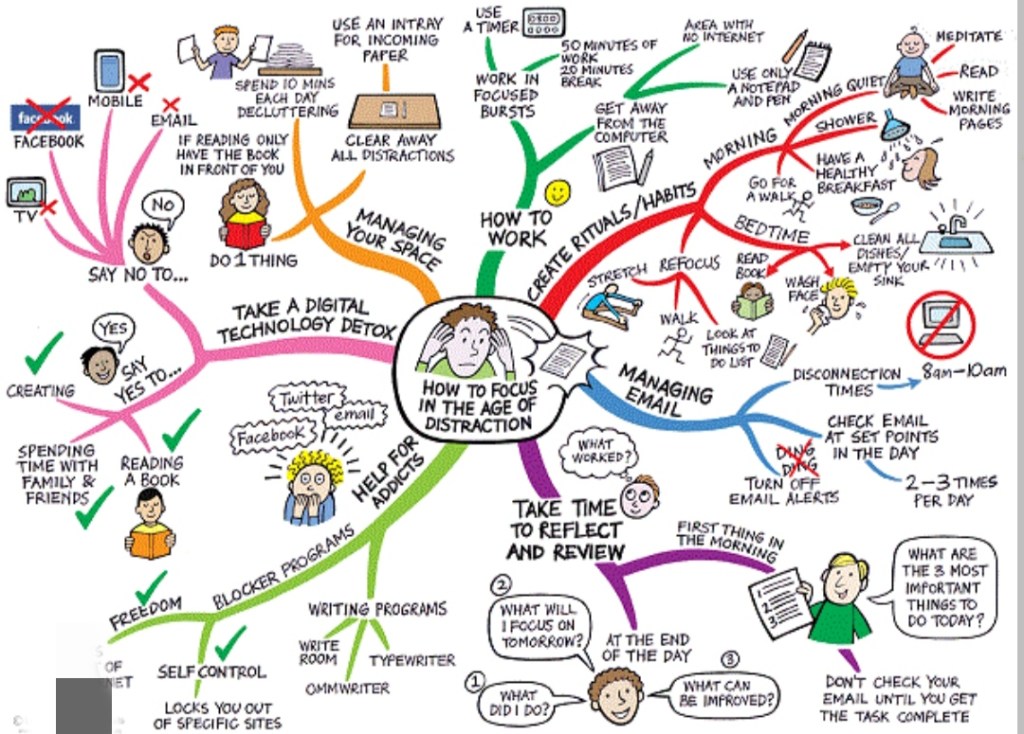

“Managing Digital Distractions: Psychological Insights for Modern Day”:

Introduction:

  • Briefly introduce the concept of digital distractions and their prevalence in today’s society.
  • Highlight the psychological impact of constant digital connectivity and its implications on productivity and well-being.

Section 1: Understanding Digital Distractions:

  • Explore the psychology behind why digital devices are so captivating and addictive.
  • Discuss the role of dopamine and the brain’s reward system in reinforcing digital engagement.
  • Mention the FOMO (Fear of Missing Out) phenomenon and its psychological effects.

Section 2: Impact on Cognitive Functioning:

  • Examine how digital distractions can affect concentration, memory, and critical thinking.
  • Discuss research on the “switching cost” – the mental effort required to switch between tasks due to constant notifications.

Section 3: Psychological Strategies for Managing Digital Distractions:

  • Introduce techniques from cognitive psychology, such as the Pomodoro Technique, to enhance focus and productivity.
  • Explore mindfulness practices and their ability to reduce impulsive digital behavior.
  • Discuss the importance of setting clear goals and boundaries for device usage.

Section 4: Social and Emotional Impact:

  • Address how excessive digital distractions can impact relationships and social interactions.
  • Highlight the potential for decreased empathy and communication skills due to screen-mediated interactions.

Section 5: Addressing the Addiction:

  • Discuss the concept of digital addiction and its similarities to other forms of behavioral addiction.
  • Mention the importance of seeking professional help if digital distractions become uncontrollable.

Section 6: Creating a Healthy Digital Lifestyle:

  • Provide practical tips for creating a balanced relationship with digital devices.
  • Encourage readers to disconnect during designated periods to promote mental well-being.

Conclusion:

  • Summarize the key takeaways from the article.
  • Emphasize the importance of self-awareness and proactive management of digital distractions.
  • Conclude with a call to action for readers to implement the discussed strategies and share their experiences.

Remember, this is just an outline to get you started. You can expand upon each section by including relevant research findings, real-life examples, and practical tips. Feel free to modify the outline according to your preferences and the length of the article you’re aiming for. Good luck with your writing!

Title: Managing Digital Distractions: Psychological Insights for Modern Day

Introduction:

  • Briefly introduce the concept of digital distractions and their prevalence in today’s society.
  • Highlight the psychological impact of constant digital connectivity and its implications on productivity and well-being.

Section 1: Understanding Digital Distractions:

  • Explore the psychology behind why digital devices are so captivating and addictive.
  • Discuss the role of dopamine and the brain’s reward system in reinforcing digital engagement.
  • Mention the FOMO (Fear of Missing Out) phenomenon and its psychological effects.

Section 2: Impact on Cognitive Functioning:

  • Examine how digital distractions can affect concentration, memory, and critical thinking.
  • Discuss research on the “switching cost” – the mental effort required to switch between tasks due to constant notifications.

Section 3: Psychological Strategies for Managing Digital Distractions:

  • Introduce techniques from cognitive psychology, such as the Pomodoro Technique, to enhance focus and productivity.
  • Explore mindfulness practices and their ability to reduce impulsive digital behavior.
  • Discuss the importance of setting clear goals and boundaries for device usage.

Section 4: Social and Emotional Impact:

  • Address how excessive digital distractions can impact relationships and social interactions.
  • Highlight the potential for decreased empathy and communication skills due to screen-mediated interactions.

Section 5: Addressing the Addiction:

  • Discuss the concept of digital addiction and its similarities to other forms of behavioral addiction.
  • Mention the importance of seeking professional help if digital distractions become uncontrollable.

Section 6: Creating a Healthy Digital Lifestyle:

  • Provide practical tips for creating a balanced relationship with digital devices.
  • Encourage readers to disconnect during designated periods to promote mental well-being.

Conclusion:

  • Summarize the key takeaways from the article.
  • Emphasize the importance of self-awareness and proactive management of digital distractions.
  • Conclude with a call to action for readers to implement the discussed strategies and share their experiences.

Remember, this is just an outline to get you started. You can expand upon each section by including relevant research findings, real-life examples, and practical tips. Feel free to modify the outline according to your preferences and the length of the article you’re aiming for. Good luck with your writing!

By Anzar showkat

“Rescuing Innocence: Unveiling the Menace of Child Labor”

Introduction:
In the heart of many societies, a silent predator lurks, robbing innocent children of their childhood, education, and a promising future. This menacing force is known as child labor, a grave social evil that has persisted across centuries and continents. Despite international efforts to combat it, child labor continues to cast a shadow over the lives of millions of children worldwide. This article sheds light on the alarming reality of child labor, its root causes, consequences, and the urgent need for collective action to eradicate this scourge from our societies.

Root Causes:
Child labor is driven by a complex interplay of socio-economic factors, including poverty, lack of access to quality education, and limited employment opportunities for adults. Families facing financial hardships often feel compelled to send their children to work to supplement their income. Additionally, cultural norms, lack of awareness, and inadequate enforcement of child labor laws contribute to the perpetuation of this practice.

Consequences:
The consequences of child labor are far-reaching and devastating. Children forced into labor are denied their right to education, perpetuating a cycle of illiteracy and poverty. Physical and mental health suffer as well, as these young individuals are subjected to hazardous working conditions, long hours, and minimal rest. The exploitation of children not only robs them of their childhood but also hampers their overall development, limiting their potential to become productive and responsible members of society.

Global Scenario:
Child labor is a global issue that transcends geographical boundaries. It exists in both developing and developed countries, albeit in different forms. From agriculture and manufacturing to domestic work and trafficking, child labor takes on various disguises. According to the International Labour Organization (ILO), an estimated 152 million children are engaged in child labor worldwide, with almost half engaged in hazardous work that endangers their safety and well-being.

Combating Child Labor:
Efforts to combat child labor have gained momentum over the years, with international organizations, governments, and civil society working together to address this pressing issue. Key strategies include:

  1. Strengthening Legislation: Governments must enact and enforce laws that explicitly prohibit child labor, ensuring proper penalties for violators.
  2. Promoting Education: Investing in quality education and ensuring its accessibility can break the cycle of child labor by offering children better prospects for their future.
  3. Raising Awareness: Public awareness campaigns can educate communities about the harmful effects of child labor and encourage them to take action against it.
  4. Supporting Families: Social safety nets, vocational training, and employment opportunities for adults can alleviate the economic pressures that force children into labor.
  5. Monitoring Supply Chains: Businesses need to ensure that their supply chains are free from child labor and adhere to ethical practices.

Conclusion:
Child labor stands as a glaring testament to the inequities present in our societies. The battle against this social evil is a collective responsibility that requires the dedication of governments, organizations, communities, and individuals alike. Eradicating child labor requires a multifaceted approach that tackles the root causes while fostering an environment where children can flourish, learn, and dream without the shadows of exploitation looming over them. Only through sustained efforts and global solidarity can we hope to eliminate this blight and ensure a brighter future for every child.

By Anzar Showkat

Title: Navigating Sadism: Unraveling Its Complexities

Introduction

Sadism, a perplexing psychological trait characterized by deriving pleasure from causing pain to others, continues to captivate researchers and experts. This article delves into the enigma of sadism, exploring its potential origins, its ripple effects on individuals and society, and the importance of understanding it for a more compassionate world.

Understanding Sadism

At its core, sadism involves taking delight in the suffering of others, presenting a baffling phenomenon that defies easy explanation.

Exploring the Causes

  1. Early Experiences: Traumatic childhood experiences can warp one’s understanding of power and control, laying the groundwork for sadistic inclinations as a way to regain authority or cope with past trauma.
  2. Psychological Traits: Traits such as low empathy, a lack of remorse, and a yearning for dominance can contribute to the development of sadistic tendencies, driven by a desire to control and dominate others.
  3. Societal Influence: Societal norms and media’s portrayal of aggression can inadvertently normalize sadistic behavior, leading to a distorted perception of harm and power.
  4. Biological Factors: While the role of genetics and biology in sadism is not fully understood, some evidence suggests that certain individuals may be more predisposed to such tendencies.
Example of everyday sadism

Impact on Individuals and Society

Sadism’s impact is profound, affecting both personal relationships and broader societal dynamics:

  1. Fractured Relationships: Those with sadistic inclinations struggle to form and maintain healthy relationships due to their need for control and infliction of suffering.
  2. Mental Health Implications: Individuals with sadistic tendencies may grapple with inner turmoil, low self-esteem, and difficulties forming genuine emotional connections.
  3. Cultural Shifts: Proliferation of sadistic behaviors can lead to a culture of cruelty, numbing individuals to others’ suffering and perpetuating a cycle of harm.
  4. Legal Consequences: In extreme cases, sadistic tendencies can escalate to criminal actions, necessitating legal interventions to protect potential victims.

Promoting Understanding and Change

Addressing sadism’s impact requires awareness, empathy, and intervention:

  1. Awareness: Educating individuals about the factors that contribute to sadism can help identify early signs and offer appropriate support.
  2. Empathy Cultivation: Nurturing empathy can counteract the normalization of harm, fostering a kinder and more understanding society.
  3. Timely Intervention: Identifying and addressing sadistic tendencies early can prevent their escalation and minimize potential harm.

Conclusion

Sadism remains a complex facet of human behavior. While its origins are intricate, its effects are significant. By delving into its complexities, promoting empathy, and fostering healthy interactions, we can begin to untangle the web of sadism and work towards a more compassionate world.

Warm regards,

[Anzar showkat ]

Navigating the Shadows: Understanding and Conquering Depression


Introduction:
Depression, a complex and often misunderstood mental health condition, casts a shadow over millions of lives worldwide. Far beyond mere sadness, depression reaches deep into the soul, affecting thoughts, emotions, and daily functioning. In this article, we delve into the intricacies of depression, seeking to shed light on its causes, symptoms, and pathways towards healing.

**The Weight of Darkness:**
Depression is not a fleeting emotion, but a persistent state of emotional and mental anguish. It saps the joy from even the simplest pleasures, leaving individuals feeling trapped within their own minds. The weight of darkness can be paralyzing, causing a sense of hopelessness that clouds the horizon.

**Unraveling the Roots:**
While the exact causes of depression remain elusive, a combination of genetic, biological, environmental, and psychological factors contribute to its onset. Trauma, stress, chemical imbalances in the brain, and a family history of mental health issues all play a role in shaping this intricate puzzle. Understanding the multifaceted origins of depression helps to de-stigmatize the condition, emphasizing that it’s not a sign of weakness but rather a result of complex interactions.

**Signs and Symptoms:**
Depression manifests differently in each individual, making diagnosis a nuanced process. Common symptoms include persistent sadness, loss of interest in activities once enjoyed, changes in appetite and sleep patterns, feelings of worthlessness, difficulty concentrating, and even thoughts of death or suicide. Recognizing these signs in oneself or others is crucial for seeking help.

**The Road to Recovery:**
The path towards recovery from depression is multifaceted and often requires a combination of approaches. Therapy, both cognitive-behavioral and psychoanalytic, provides a safe space to explore emotions and thought patterns. Medication, prescribed by a mental health professional, can help regulate neurotransmitter imbalances in the brain. Lifestyle changes such as exercise, proper nutrition, and engaging in social activities also contribute to recovery.

**Breaking the Silence:**
One of the biggest hurdles in addressing depression is the stigma that surrounds it. Society’s misconceptions about mental health can prevent individuals from seeking help, exacerbating the condition’s effects. Open conversations, increased awareness campaigns, and supportive communities all work together to chip away at the stigma and encourage those in need to reach out for assistance.

**The Power of Connection:**
Human connection is a potent antidote to depression’s isolating grip. Supportive friends, family, and mental health professionals form a safety net that helps individuals navigate their journey towards healing. Online forums, support groups, and helplines also provide avenues for connection, reminding those affected that they are not alone in their struggle.

**Embracing Hope:**
While depression can be overwhelming, it’s important to remember that recovery is possible. With the right tools, support, and resilience, individuals can learn to manage their symptoms and lead fulfilling lives. By raising awareness, fostering understanding, and providing resources, we can collectively contribute to a world where depression is met with compassion and hope.

Conclusion:
Depression’s shadow may be formidable, but it’s a shadow that can be gradually lifted through understanding, empathy, and the pursuit of treatment. As we continue to learn more about this complex condition, let us extend our hand to those battling the darkness, reminding them that there is a path towards light and healing.

With hope and empathy,
[Your]

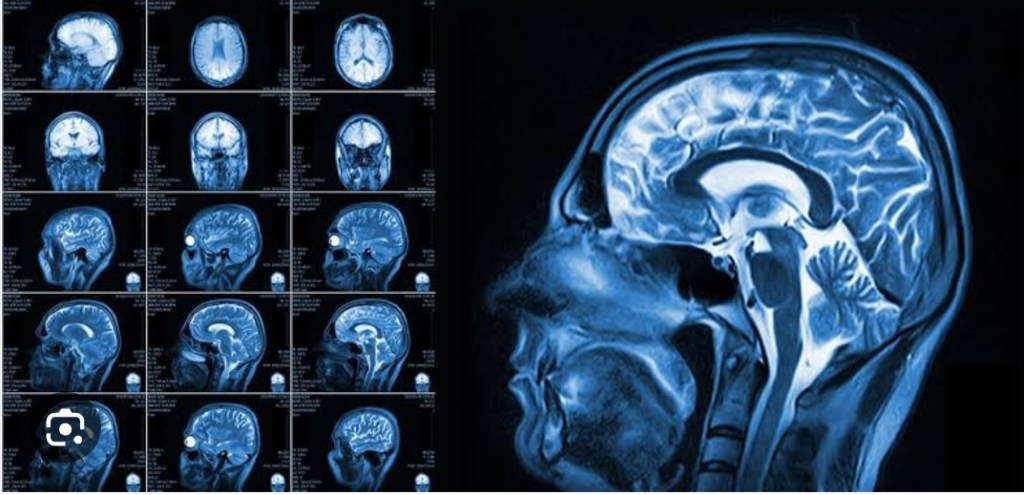
MRI of depressed brain

“Cosmic Odyssey: Unraveling the Marvels of the Universe

The universe, a vast realm of stars, galaxies, and mysteries, continues to beckon humanity with its boundless intrigue. Spanning unfathomable distances and ages, it serves as a canvas of cosmic wonders that push the boundaries of our imagination.

Gazing through the lenses of cutting-edge telescopes, we peer back in time, witnessing galaxies that emitted their light billions of years ago. These cosmic time capsules offer insights into the universe’s evolution, guiding us on a journey through its history.

At the heart of our fascination lies dark matter, an enigmatic substance that defies detection yet exerts its gravitational influence on galaxies and their formations. Its elusive nature has spurred scientific quests to uncover its secrets, reshaping our comprehension of the universe’s composition.

Counteracting the gravitational pull of dark matter is dark energy, an even more perplexing force. Responsible for the universe’s accelerated expansion, dark energy’s origin and mechanisms remain shrouded in uncertainty, adding to the tapestry of cosmic mysteries.

Amidst the cosmos, stars emerge as celestial forges. Through nuclear fusion, they create elements that are the building blocks of planets, life, and everything in between. The cataclysmic explosions of massive stars, or supernovae, disperse these elements, seeding the universe with the necessary ingredients for new cosmic phenomena.

The quest to locate exoplanets, planets orbiting distant stars, introduces a thrilling chapter in our cosmic journey. Discoveries of potentially habitable exoplanets ignite discussions about the potential for life beyond Earth, prompting us to ponder our place in the grand cosmic narrative.

Black holes, cosmic vacuums where gravity is so intense that not even light can escape, challenge our understanding of space and time. They warp the fabric of the universe, creating opportunities to explore the extreme conditions of the cosmos.

Pondering the universe’s age, approximately 13.8 billion years, takes us back to its birth—the Big Bang. From a singularity smaller than an atom, the universe expanded, giving rise to galaxies, stars, and eventually, us. This grand origin story fosters an appreciation for the interconnectedness of all existence.

As the universe expands, galaxies drift farther apart, prompting questions about its ultimate destiny. Our relentless pursuit of knowledge, facilitated by observatories, laboratories, and exploratory missions, promises to unveil more of the universe’s enigmas.

In the midst of cosmic splendor, we are reminded of our small yet significant role in this vast expanse. Each discovery, each revelation, reminds us of the magnificence that surrounds us and our unending quest to comprehend it.

Inscribed with admiration,


[Anzar showkat]